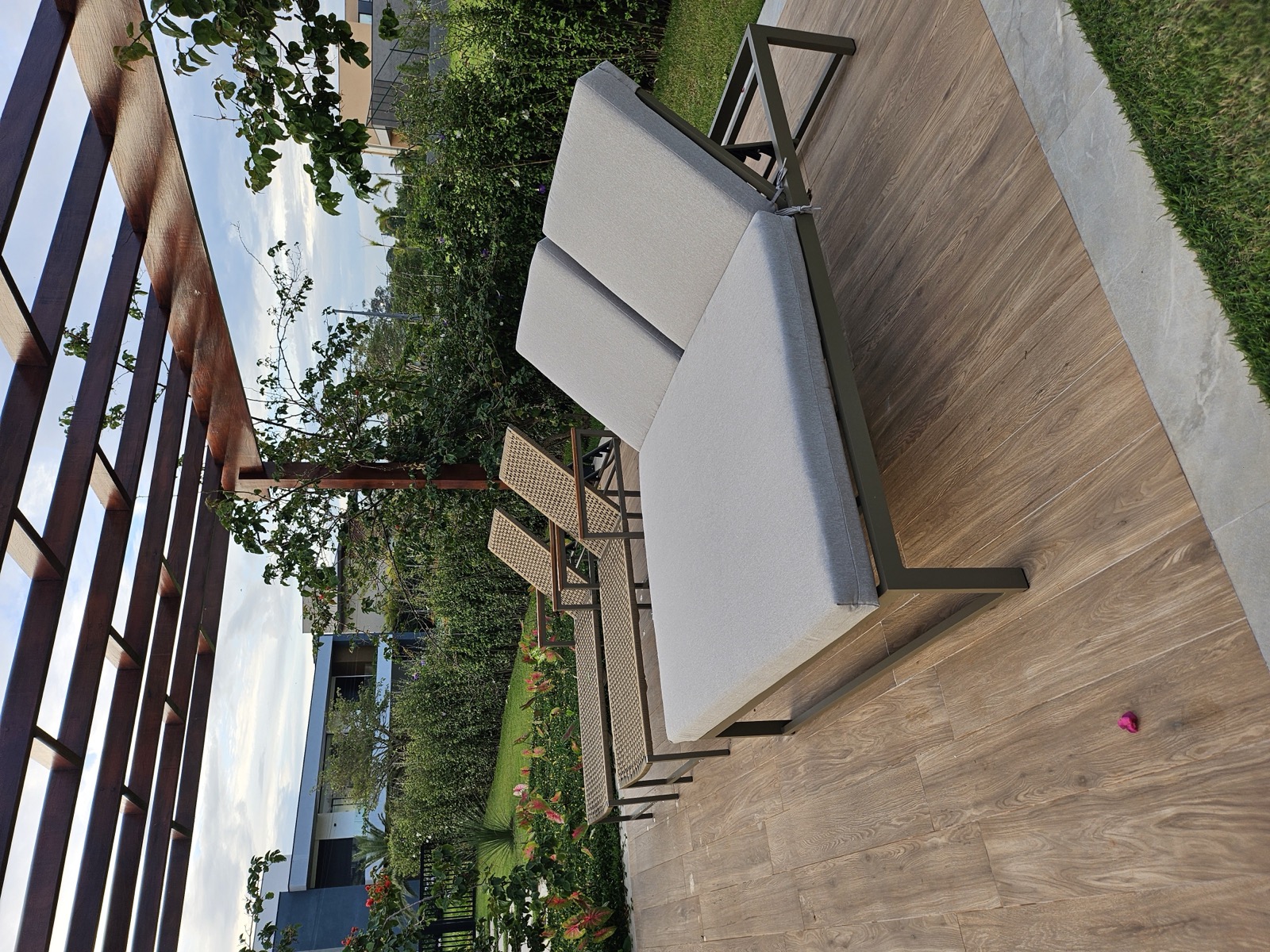










When choosing furniture for the outdoor area, it’s easy to fall in love with the look — but it’s the quality of the construction that determines whether the piece will last for years or become a headache in a few months. We’ve put together a practical guide, based on the criteria we evaluate here at Mavie, to help you recognize a well-made piece before buying it.
Why does quality matter more than the price?
Outdoor furniture lives under the sun, rain, humidity and constant use. In this scenario, the difference between a well-constructed piece and a “beautiful but fragile” one becomes apparent quickly:
- A well-made piece of furniture maintains stability, comfort, and appearance for many years.
- A fragile piece of furniture deforms, peels off or oxidizes — and the cost of maintenance and replacement exceeds the initial savings.
- Therefore, the cheapest furniture is rarely the most economical in the long run.
Was the structure designed for real and continuous use?
Before finishing, look at the piece's skeleton:
- The structure must withstand static and dynamic loads (weight, movement, repeated use).
- Look for support in the areas of greatest strain — seat, backrest and arms.
- The piece needs to maintain stability even after a lot of use.
Warning: decorative furniture, even if it seems sturdy, tends to deform with continued use.
Aluminum is suitable — the right type and thickness?
Aluminum is the ideal material for outdoor areas: it does not rust, is lightweight and resists the elements. But thickness is everything:
- At Mavie, we use aluminum profiles with a structural wall thickness of 1.8mm and 4mm sheets.
- This ensures resistance to impacts, deformations, and fatigue over the years.
Warning: Very thin aluminum reduces the initial price, but increases maintenance and replacement costs.
How are the welds and the structural finish?
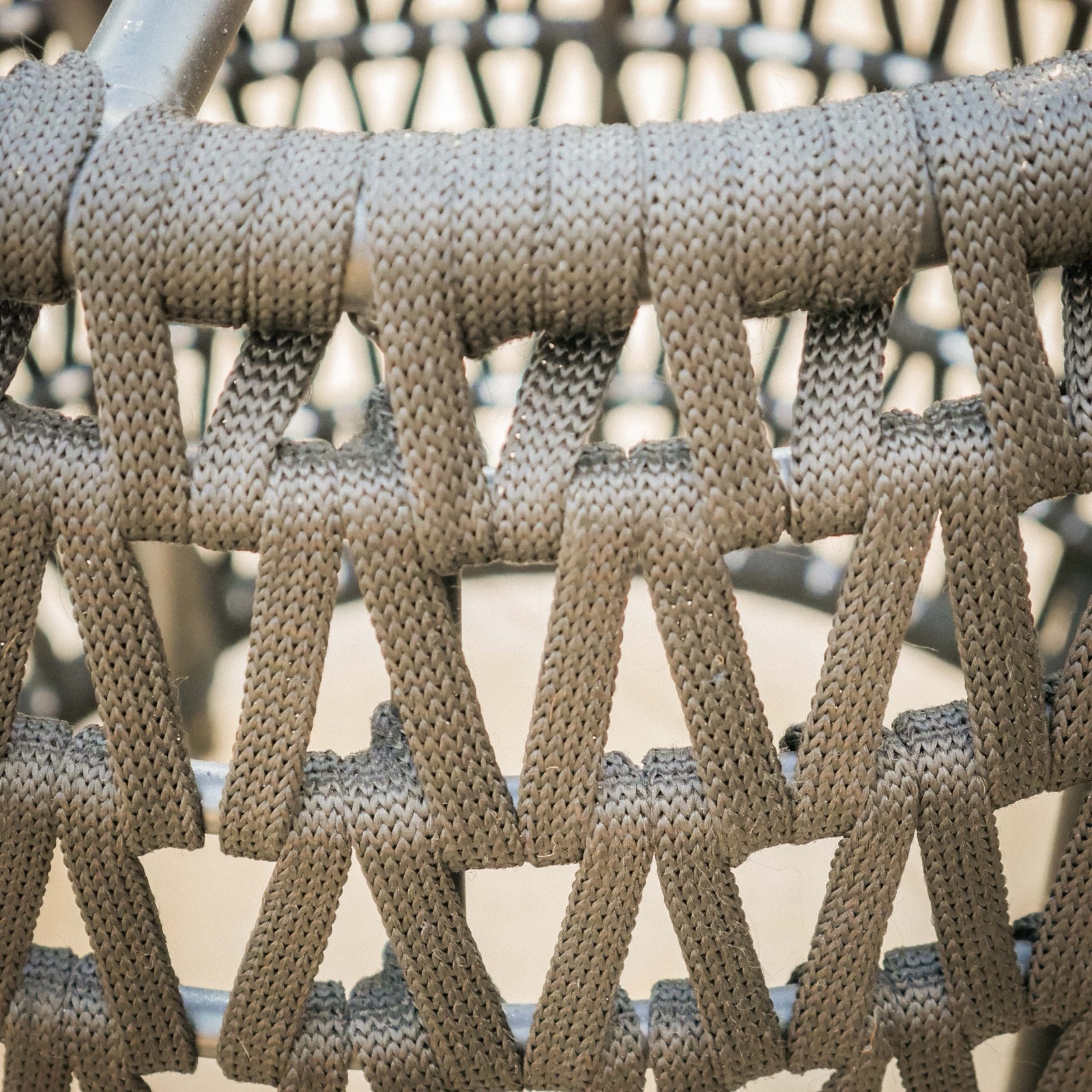
Salaries are one of the points that most reveal quality:
- They should be continuous and well finished, without porosity or apparent cracks.
- The welding points need anti-corrosion treatment.
- The finish must not have any edges or rough areas that could harm the user.
Warning: welding defects are among the main causes of premature failure.
Does the painting withstand time?
In the external area, the painting serves a protective purpose, not just for aesthetic reasons:
- Opt for electrostatic powder paint, suitable for outdoor use — it creates a barrier against corrosion.
- It should ensure adhesion and durability, maintaining color and finish over time.
Warning: Improper paint peeling off, oxidizing and losing color quickly.
Does the furniture drain the water properly?
It seems like a small detail, but it makes a difference in the lifespan:
- The design must allow the water to flow (rain, washing, pool splash).
- There cannot be any internal accumulation of water in the structure.
Warning: Excessive moisture accelerates corrosion and drastically reduces durability.
It's really comfortable — not just beautiful?
A good outdoor furniture was designed for real use:
- Heights, inclinations, and proportions that suit different people.
- Comfort that remains even after hours of use.
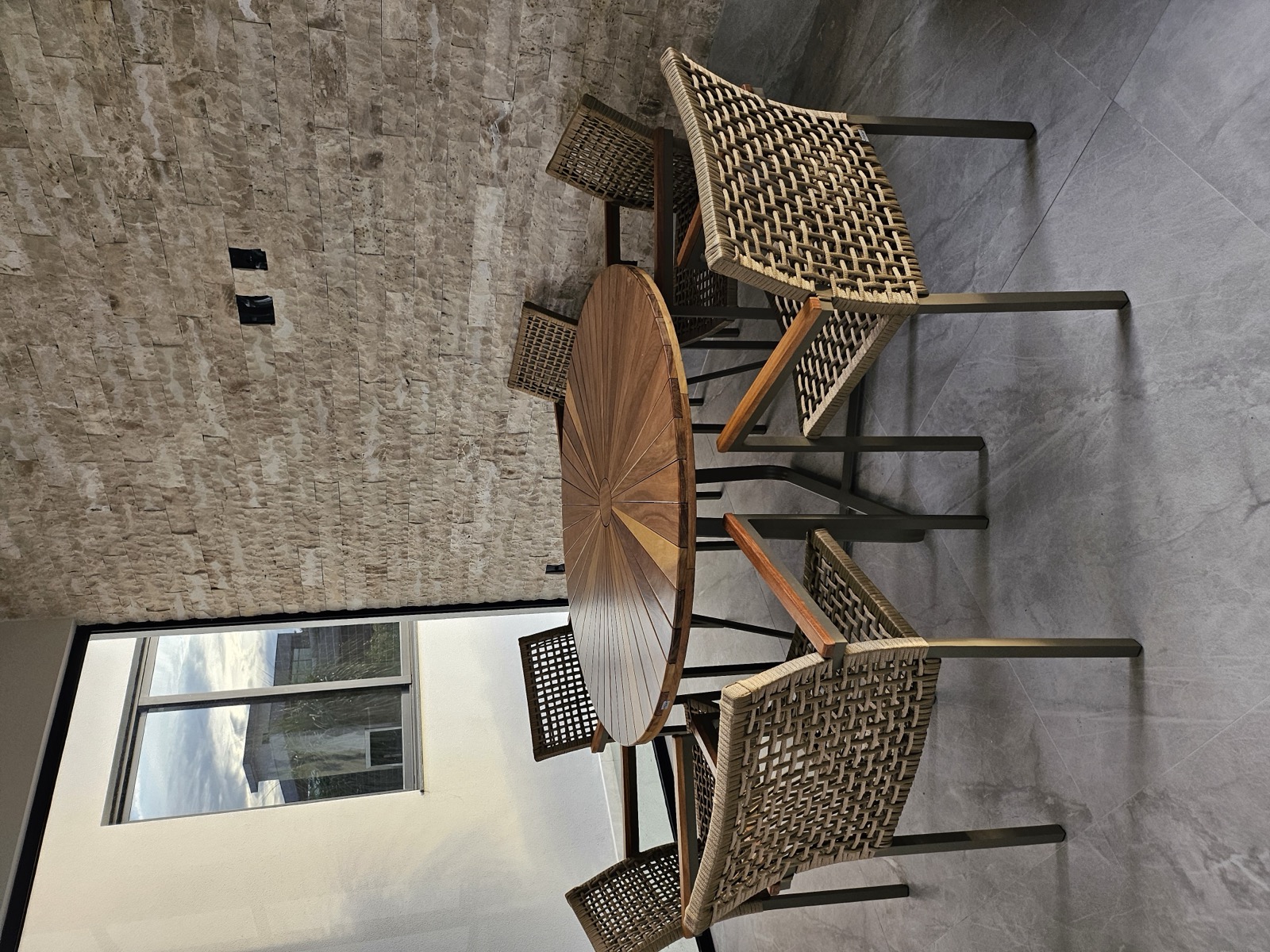
Is it easy to clean and maintain?
Practicality in everyday life is also a quality:
- It should allow simple cleaning, only with a soft cloth, water and neutral soap.
- The materials need to withstand frequent cleaning without losing their finish.
- Parts and components are ideally replaceable.
See our complete guide How to clean and care for outdoor furniture.
Does the warranty cover actual use?
A clear guarantee is a sign that the manufacturer trusts in what they do. At Mavie:
- Aluminum structure: 5 years.
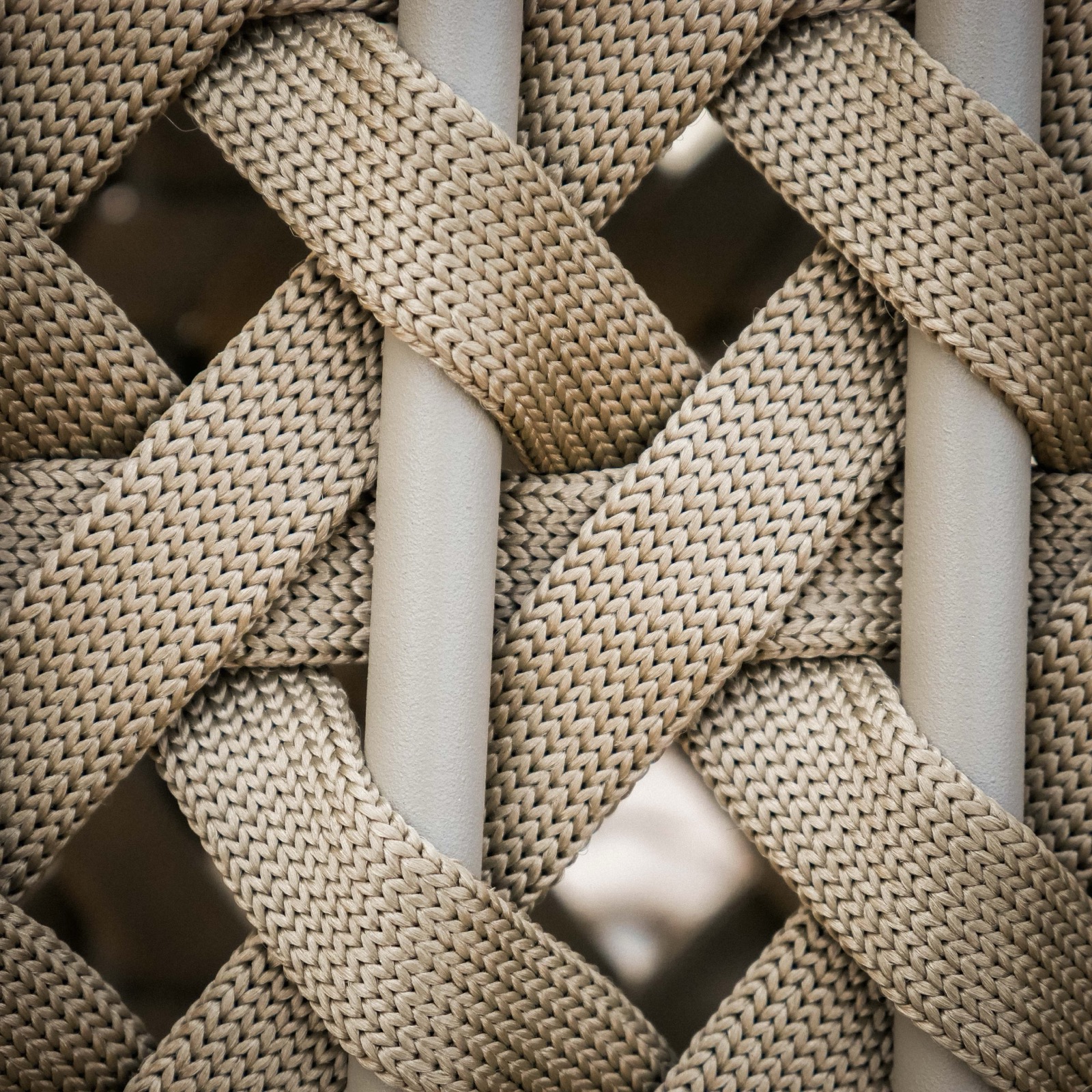
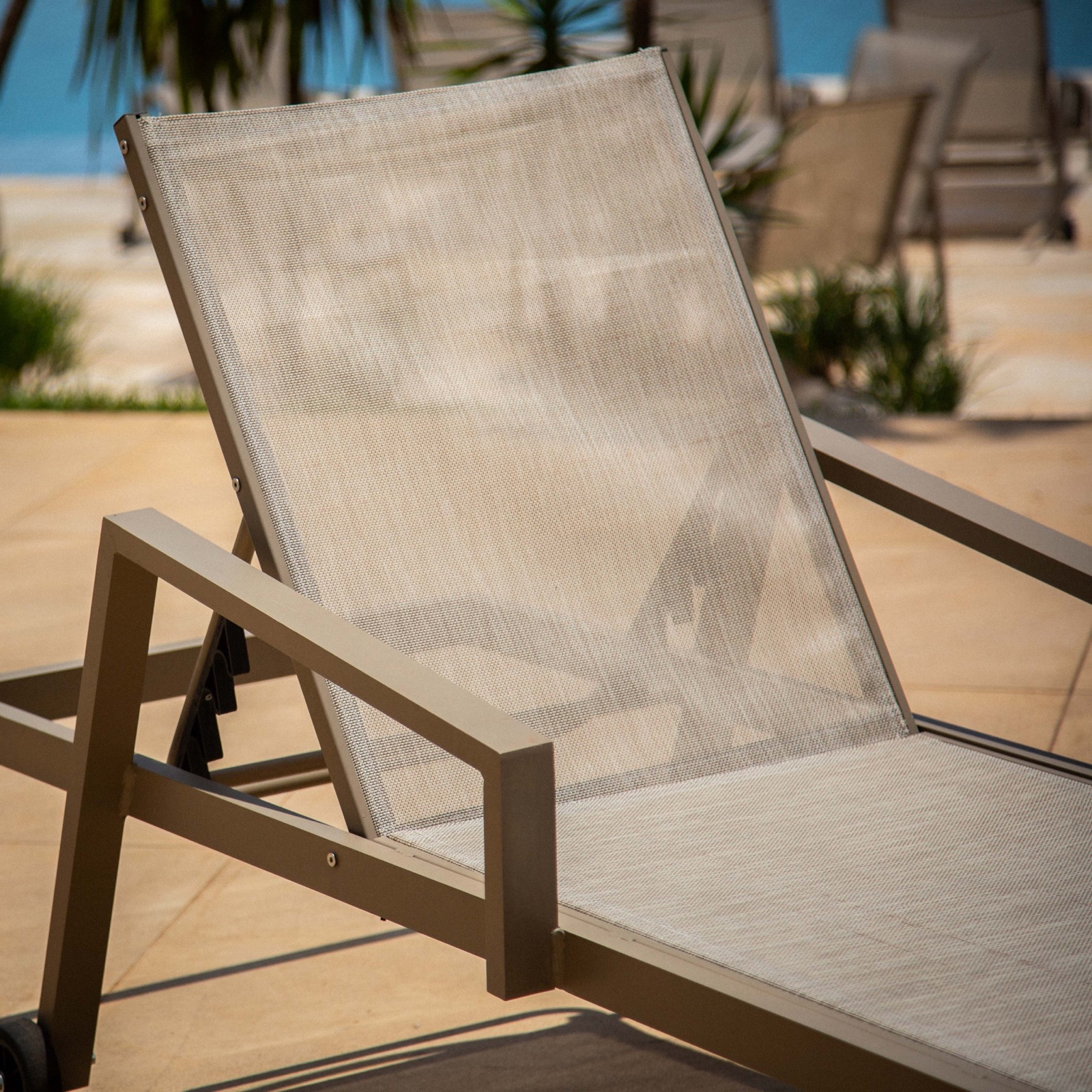
- Finishes (marine cord, knit, synthetic fiber, sling fabric), upholstery and veneer: 1 year.
Warning: General warranties often do not cover intense or professional external use.
Is it worth looking at the total cost, not just the price?
Consider the furniture as an investment, not just a decorative item. The total cost includes:
- Initial price;
- Maintenance over time;
- Replacement of parts;
- Real lifetime.
Seen in this way, a well-constructed piece almost always comes out cheaper in the long run.
Summary: the quality checklist
Keep this table for the time of purchase:
| Criterion | What to observe | Warning sign |
|---|---|---|
| Structure | Designed for continuous use, with reinforcement at the points of stress | Decorative piece that deforms with use |
| Aluminum | Profiles from 1.8mm and sheets from 4mm | Fine aluminum, which tumbles and requires replacement |
| Seams | Continuous and well finished, with anti-corrosion treatment | Porosity, cracks or burrs |
| Painting | Powder electrostatic, suitable for outdoor use | Scrapping and rapid oxidation |
| Drainage | Sucks out the water, without internal accumulation | Stained water that accelerates corrosion |
| Guarantee | Clear and compatible with external use | Generic warranty that does not cover actual use |
Conclusion
Evaluating the quality of an outdoor furniture set is about more than just looking at the photos: structure, aluminum, welds, paint, drainage, comfort, and warranty. With this checklist, you choose pieces that last — and avoid spending twice as much. Need help choosing the right pieces for your project? Contact us on WhatsApp or get to know our outdoor furniture.
Frequently asked questions about the quality of outdoor furniture
Is aluminum furniture better than iron furniture for outdoor use?
Yes. Aluminum does not rust, is lightweight, and resists better to the sun, rain, and salt water. Iron oxidizes easily and is not recommended for outdoor use.
What is the ideal thickness of aluminum?
For real use, structural profiles from 1.8mm and sheet metal of about 4mm ensure strength. Very thin aluminum reduces the price, but increases maintenance and replacement costs.
How do you know if the welding is of good quality?
Good welds are continuous and well finished, without porosity, cracks or burrs, and are treated with anti-corrosion treatment. Weld defects are the main cause of premature failure.
Is it worth paying more for an outdoor furniture?
Almost always. Evaluate the total cost — maintenance, replacement, and lifespan — not just the initial price. The cheapest furniture is rarely the most economical over time.