









The beach house is made for relaxing — but the coastline is tough on furniture. Harsh sun, humidity, and, above all, salt spray take their toll. The good news: with the right materials, you can create a beautiful outdoor area that will last for many years. Here are the things to choose (and avoid).
Why does the beach house require different furniture?
On the coast, three factors work together against the furniture:
- The salinity — the salt suspended in the air — accelerates corrosion.
- The strong sun damages common fabrics and finishes.
- Constant humidity causes warping and damages fragile materials.
What is mold and why does it destroy furniture?
The marisma is the typical saline fog of coastal regions. This salt deposits on the surfaces and accelerates the oxidation of metals — iron is the most affected, rusting in a short time. Therefore, the choice of material makes all the difference near the sea.
Which materials resist seawater?
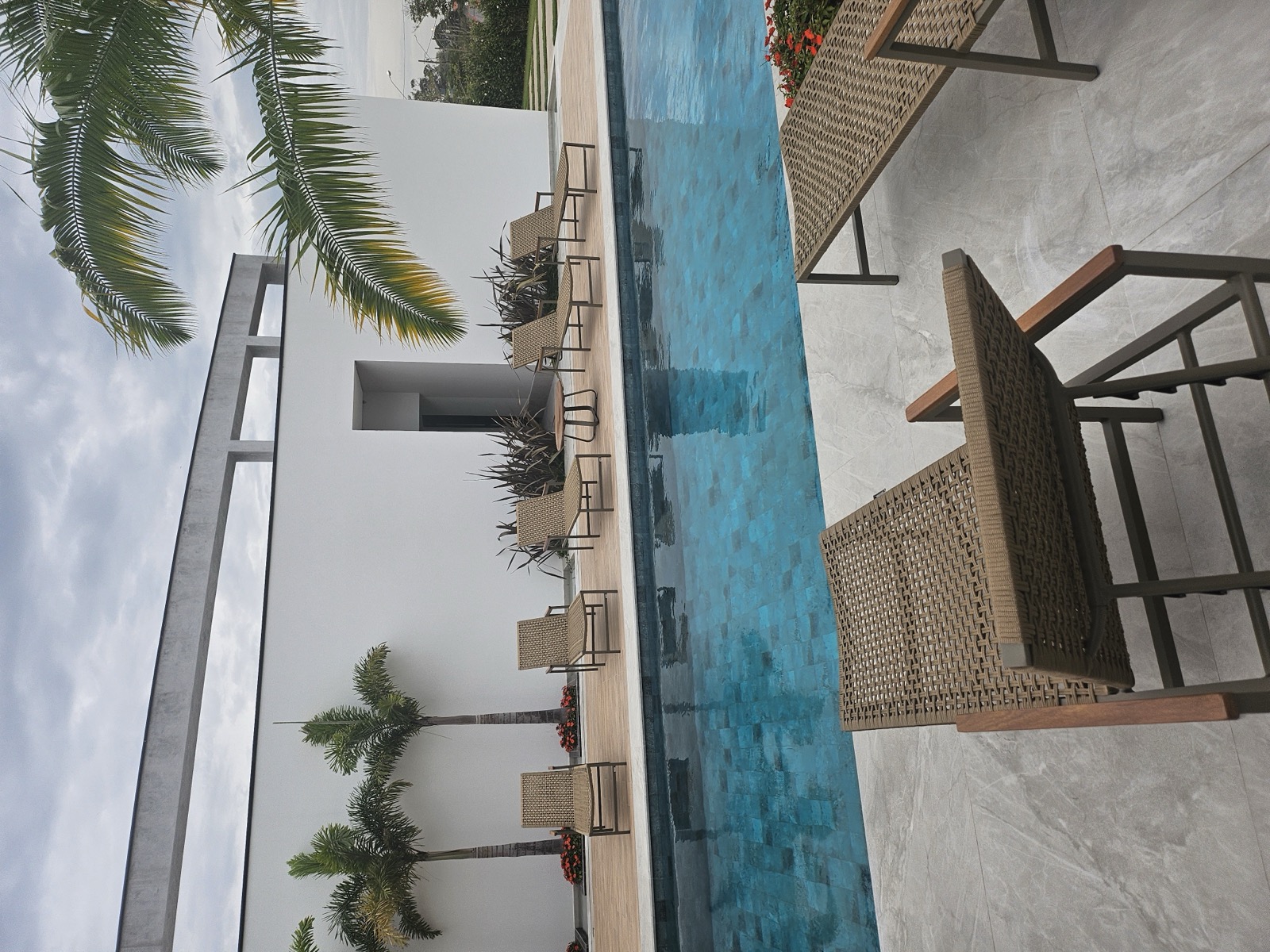
For the coast, bet on materials designed for outdoor use:
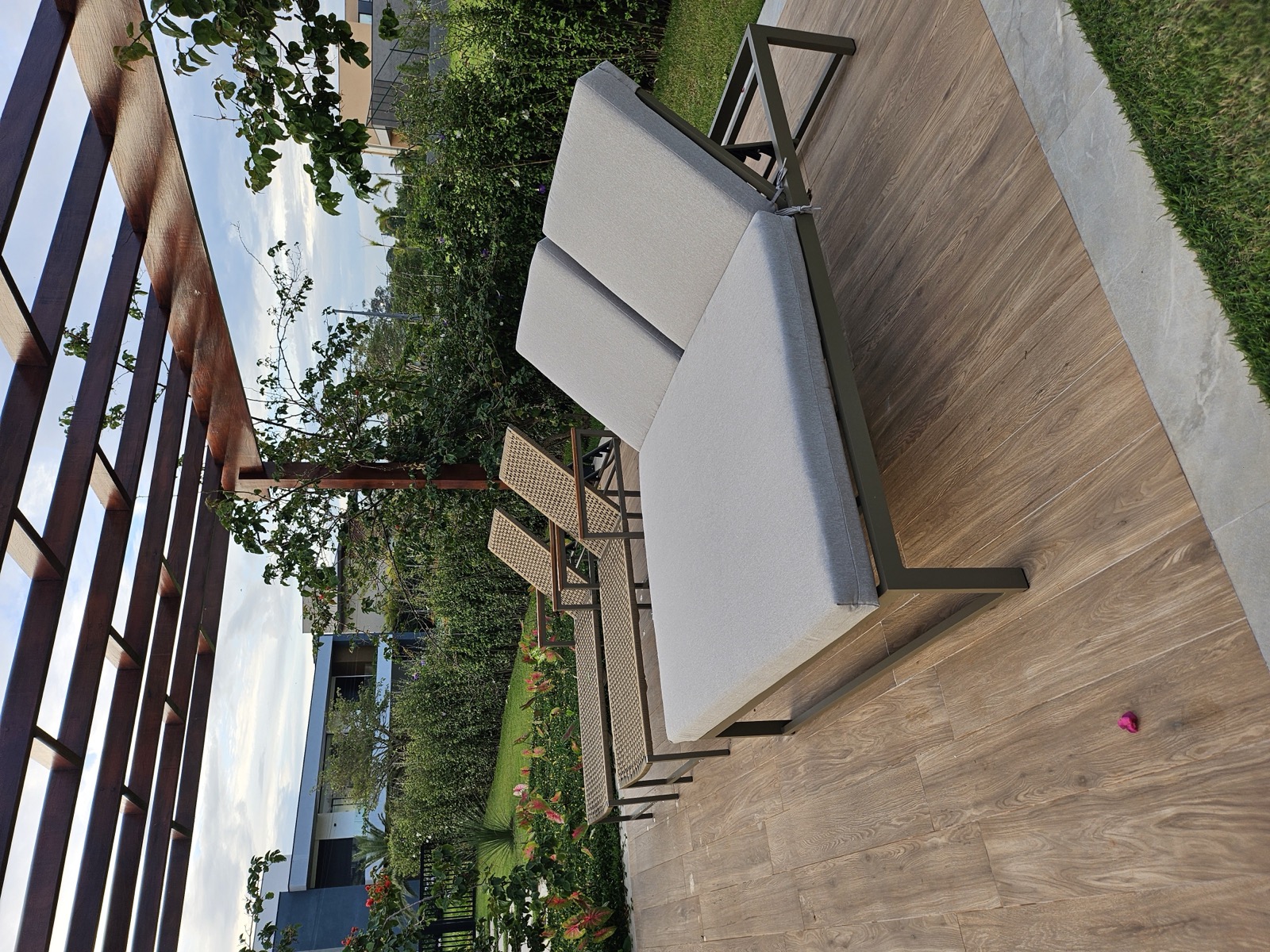
- Aluminum: It does not rust and resists corrosion — the best structural base.
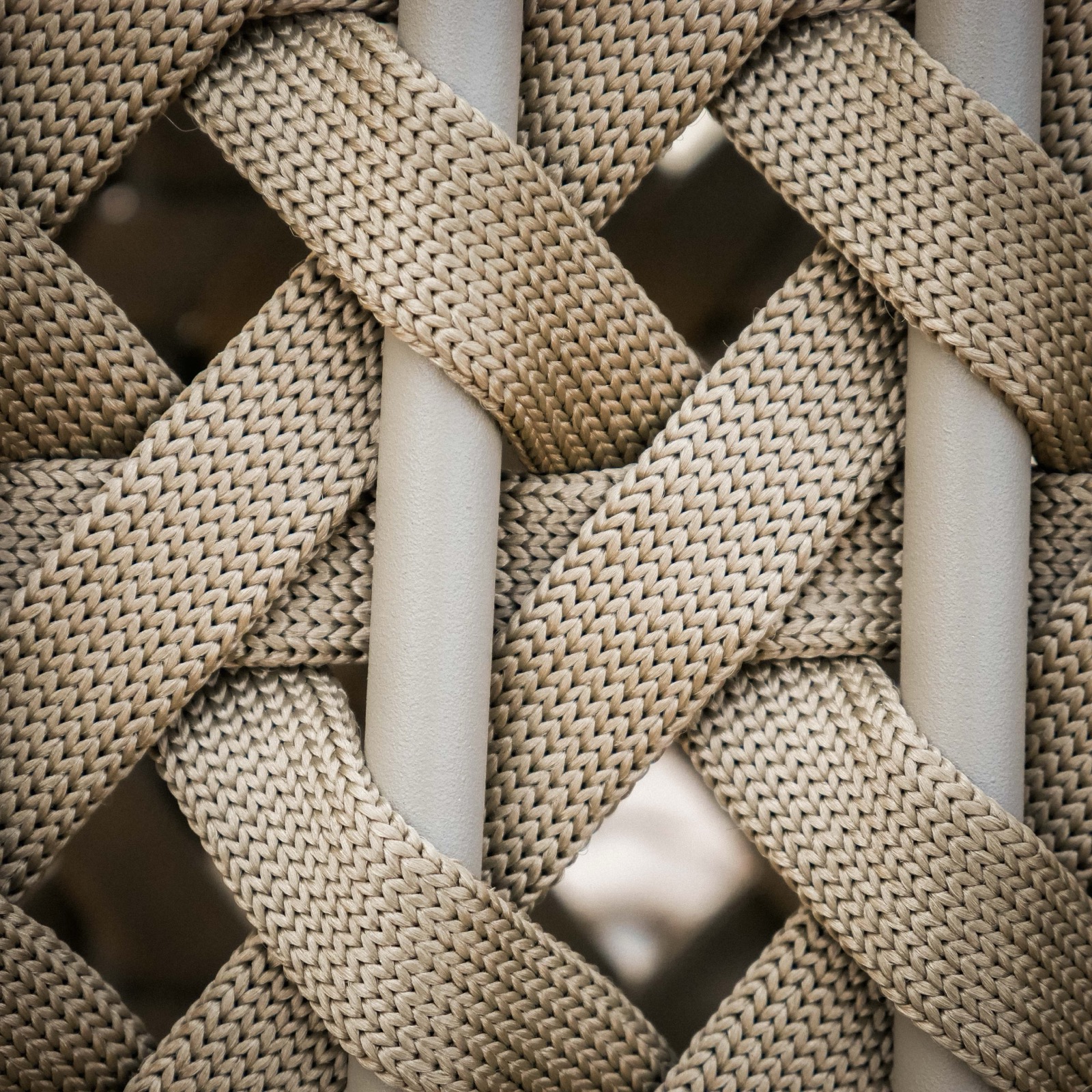
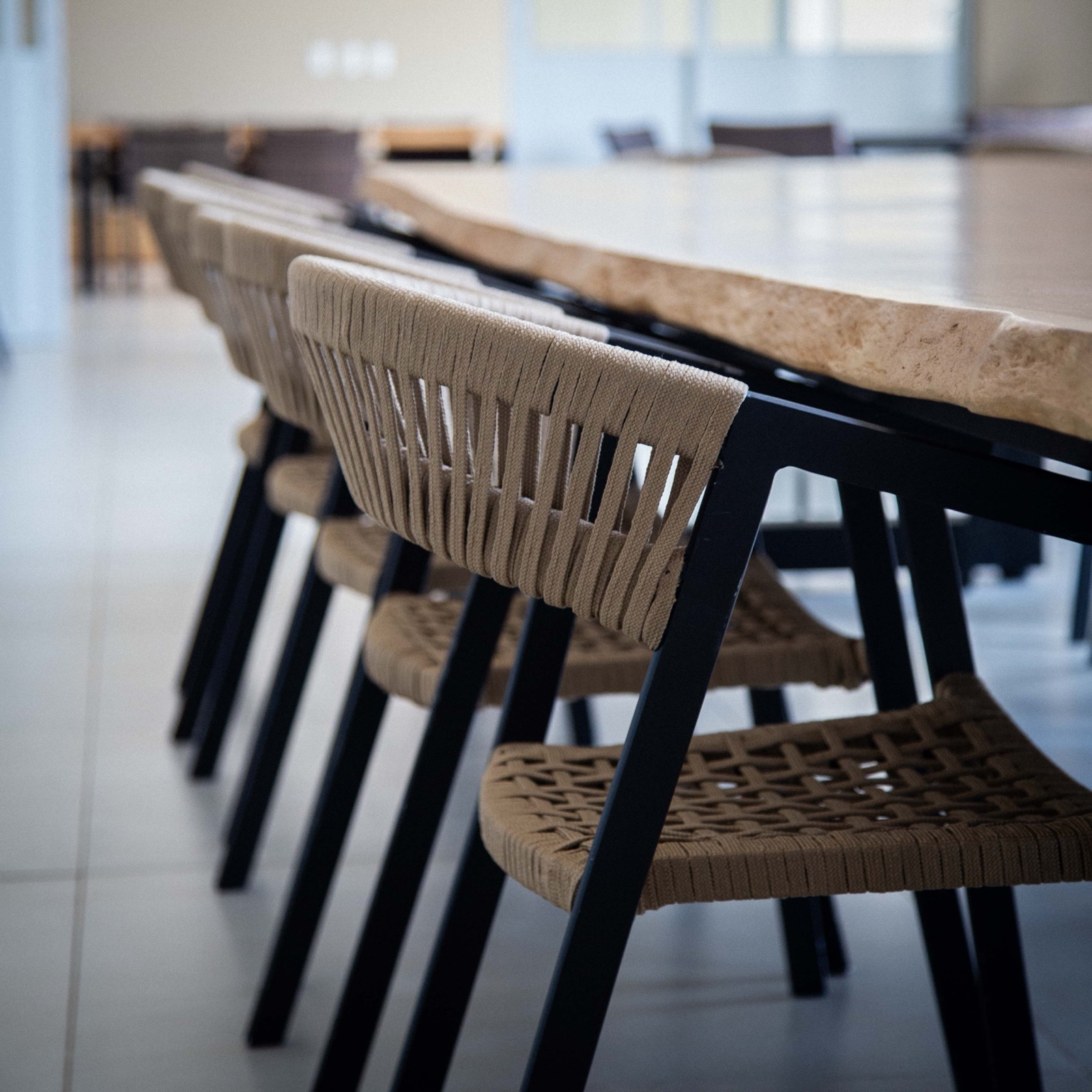
- Marine rope: polypropylene with UV protection, does not absorb water and resists the sun.
- Sling fabric and synthetic fiber: They are lightweight, dry quickly and last the time.
- Noble Madeira (cumaru): Naturally resistant, with periodic hydration.
What materials should be avoided in the beach house?
- Ordinary iron and steel: They rust quickly with the saltiness of the sea.
- MDF and particle board: They swell with moisture.
- Common fabrics: They fade and wear out — I prefer waterproof ones.
How to choose fabrics and cushions for the coast?
Look for fabrics developed for outdoor use: waterproof, with UV protection and easy to clean. In the fabrics Solution Dyed, The color is dyed into the fiber and is much more resistant to the sun and washing — ideal for the strong sun on the beach.
How to care for the furniture in the beach house?
Near the sea, salt accumulates — so frequent cleaning is even more important:
- Clean with a soft cloth, water and neutral soap, more often than usual.
- Protect or collect the parts when they are not used for a long time.
See the Complete guide to cleaning and maintenance.
Summary: materials for the coast
Keep this table handy when furnishing the beach house:
| Material | Resists the saltiness of the sea? | Maintenance | Note |
|---|---|---|---|
| Aluminum | Yes, high | Low | It does not rust; ideal base |
| Marine rope (polypropylene) | Yes | Low | UV protection; does not absorb water |
| Sling fabric / synthetic fiber | Yes | Low | They dry quickly, are durable |
| Noble wood (cumaru) | Yes, with care | Average | Hydrate periodically |
| Common iron/steel | No (it grinds) | High | Avoid near the sea |
Conclusion
Building the beach house of your dreams is possible — and lasts much longer when the furniture is made for the seaside. Aluminum, nautical rope, sling fabric, and fine wood face the sea breeze with elegance. Need help choosing the right pieces? Contact us on WhatsApp or get to know our outdoor furniture.
Frequently asked questions about furniture for a beach house
What is the best material for beach house furniture?
Aluminum as the structure, combined with nautical rope, sling fabric or noble wood. These are materials that resist salt water, the sun and humidity.
Are iron furniture suitable for the coast?
It is not recommended. The iron rusts quickly with the saltiness of the sea. Prefer aluminum, which does not oxidize.
Does the nautical rope withstand seawater?
Yes. The nautical rope is made of polypropylene with UV protection, does not absorb water and is well resistant to salt and the sun.
How to protect furniture from sea salt?
Clean frequently with neutral soap and water (salt accumulates) and protect or store the pieces when they are left unused for a long time.