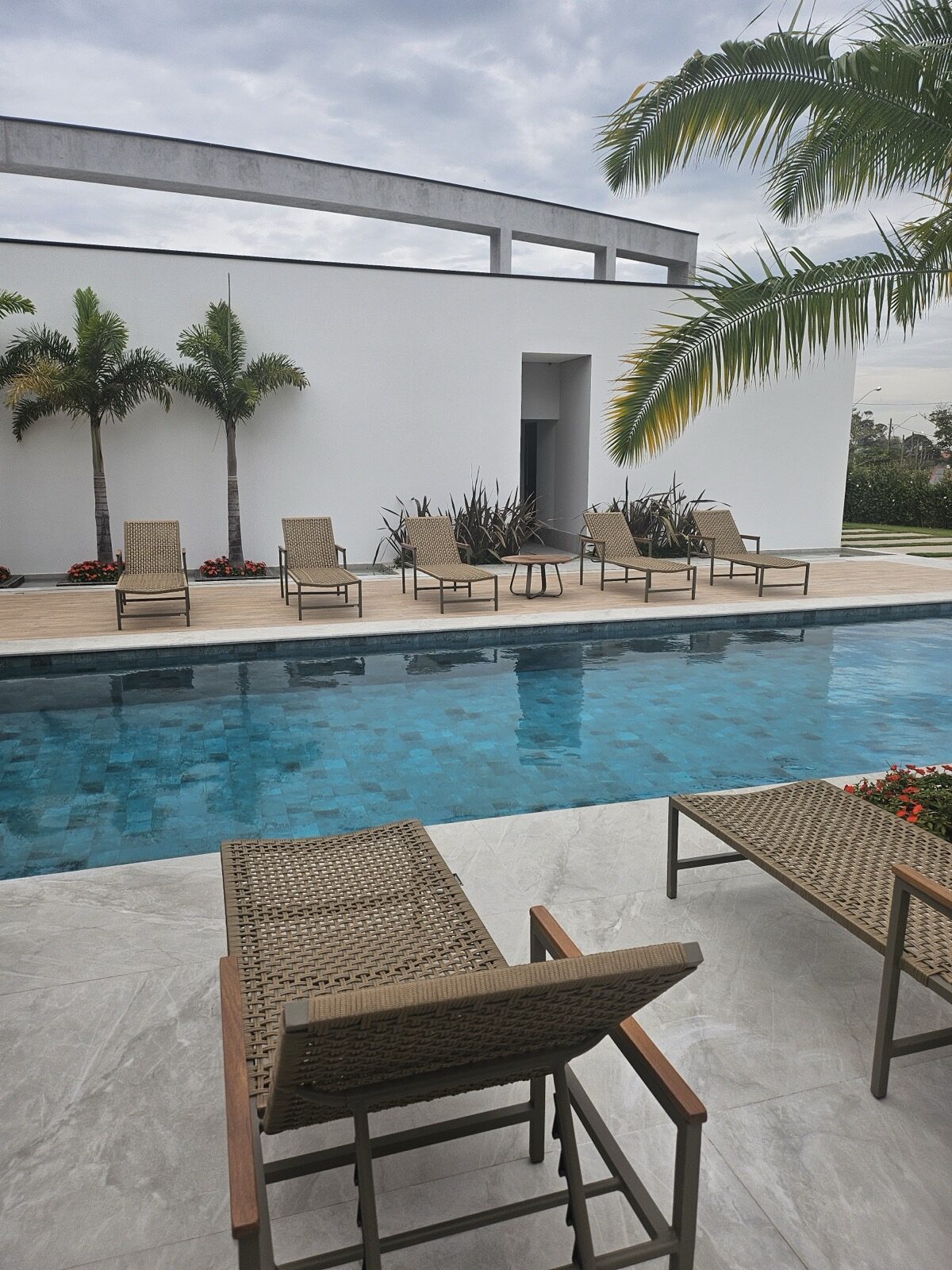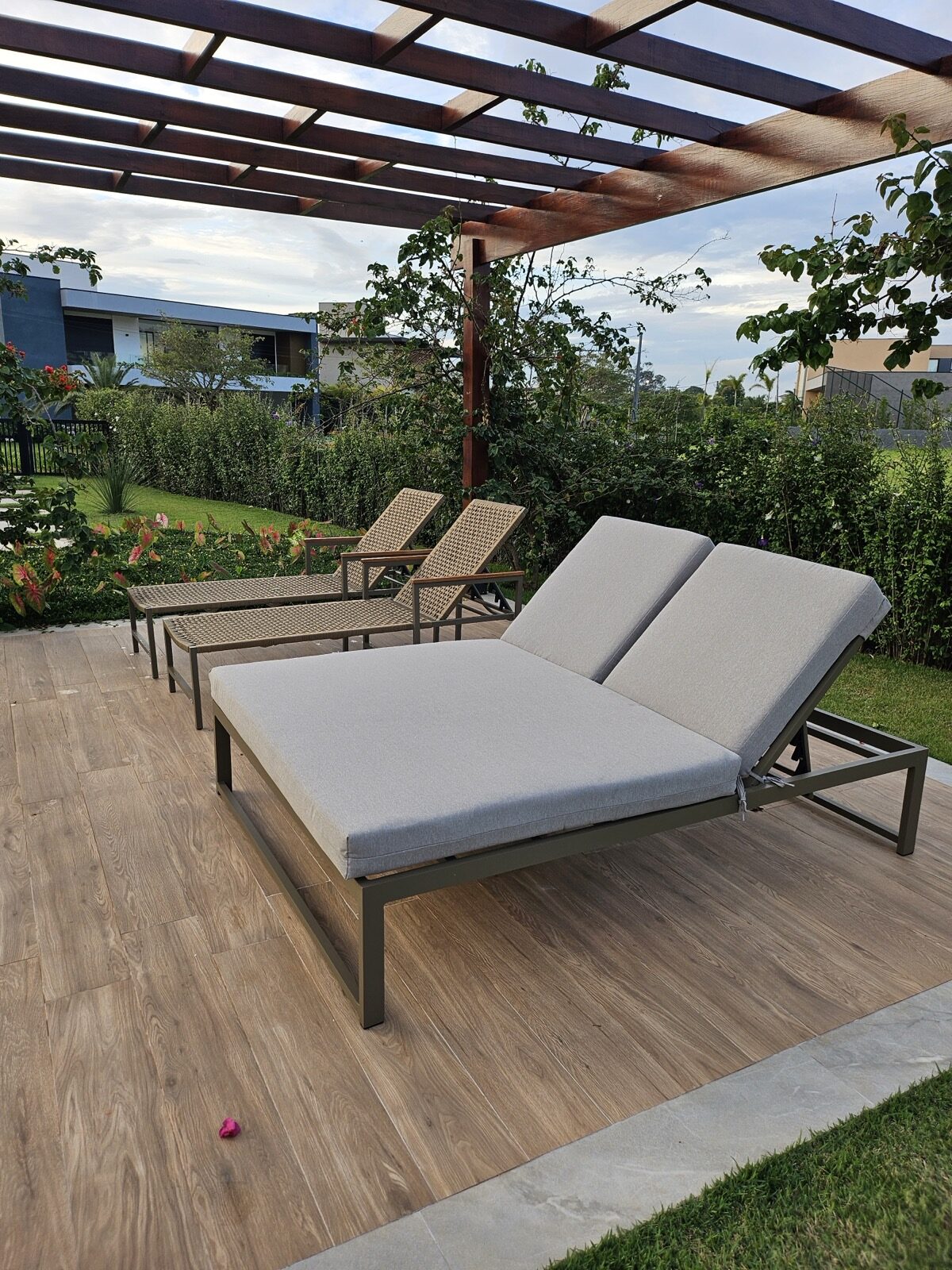










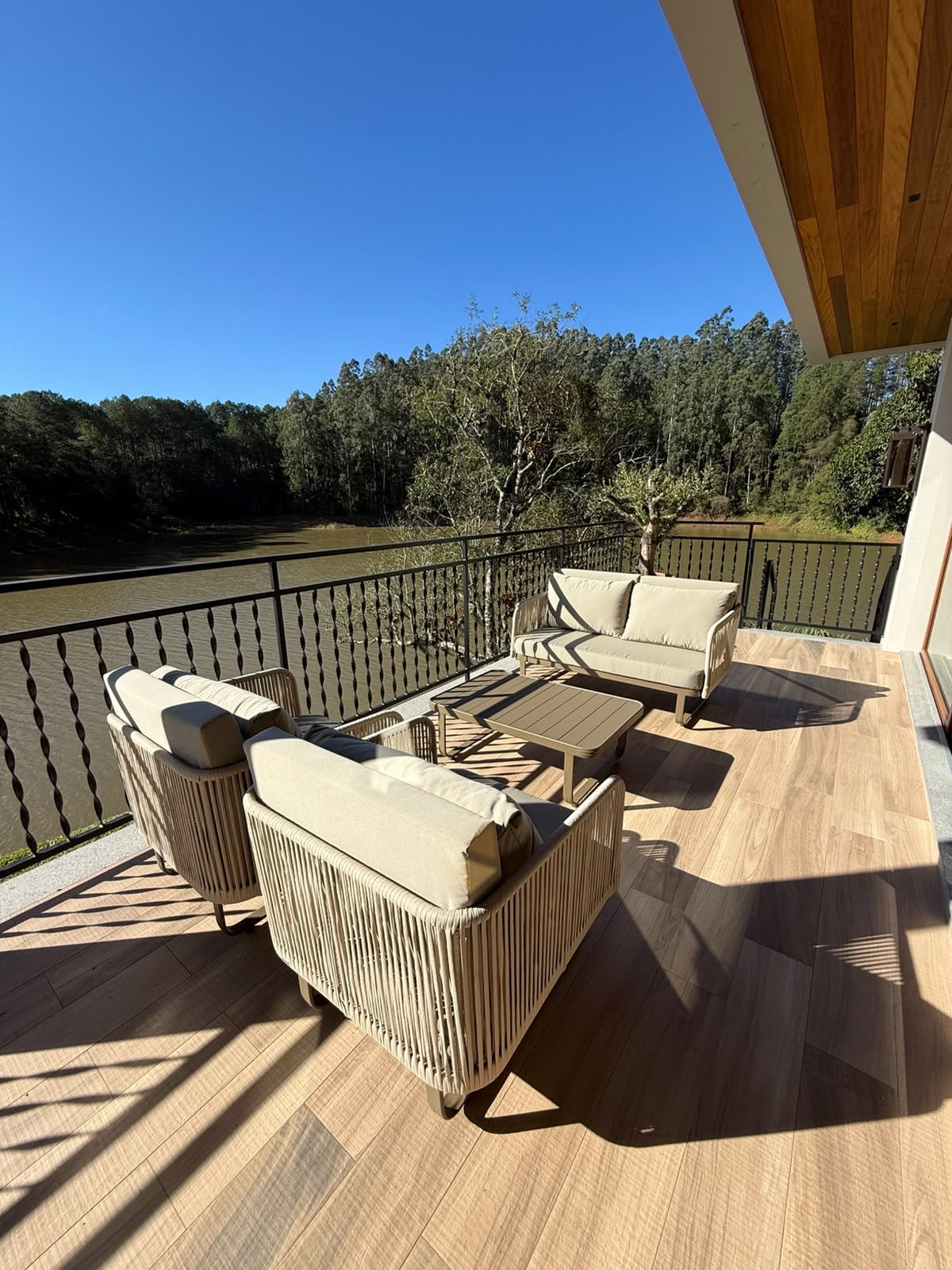
In the outdoor area, fabric makes as much difference as the structure. It needs to withstand sun, rain, and moisture without fading, cracking, or hardening — and, preferably, be pleasant to the touch. See how to choose the right fabric for cushions and upholstery that will last (and continue to be comfortable).
What makes a fabric good for outdoor use?
A good outdoor fabric meets some essential characteristics:
- Waterproof: repels water instead of absorbing it, preventing mold growth.
- UV protection: keeps the color alive for much longer under the sun.
- Anti-pilling: It does not create balls when used.
- Easy to clean and comfortable to the touch.
Why does the paint peel off — and how to prevent it?
The big villain is UV radiation. The most effective way to solve it is through tissue Solution DyedThe color is dyed inside the fiber (and not just on the surface), which greatly increases resistance to sunlight and washing. Sun protection technologies, such as those in our entry collection, also help preserve the colors.
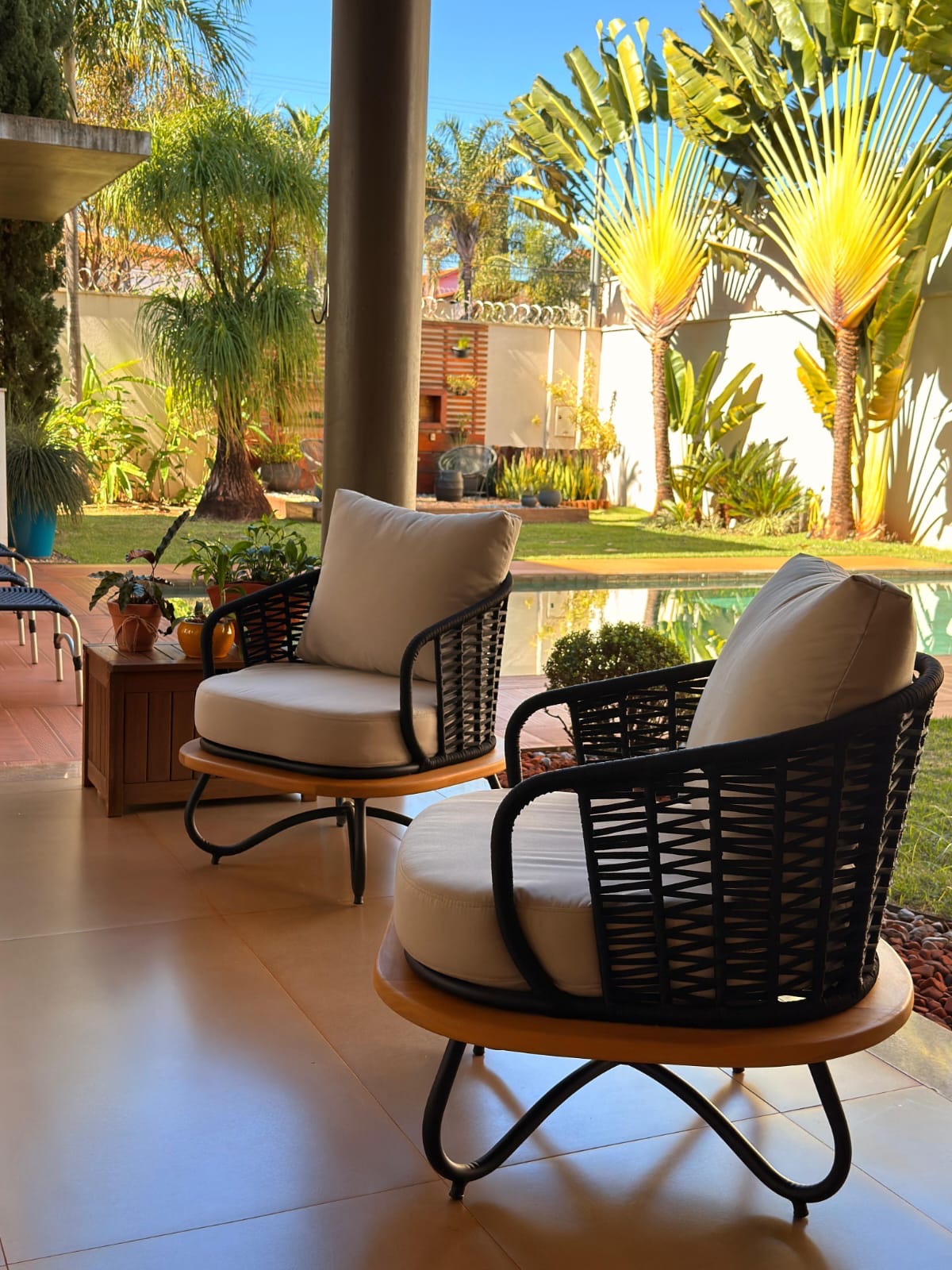
What is a real waterproof fabric?
Waterproof is not the same as “waterproof.” A truly waterproof fabric repels water, doesn’t get wet, and dries quickly—which prevents mold and makes cleaning easier. In areas with swimming pools and the coast, this is indispensable.
And the touch? Is the outdoor fabric uncomfortable?
That is a myth. High-quality outdoor fabrics are soft, breathable and anti-pilling — as comfortable as those in an indoor environment. That is precisely where they stand out from coated alternatives.
Waterproof fabric, Aquablock or nautical leather: which is better?
Each option has a different behavior when exposed to sunlight and touched:
| Criterion | Outdoor fabric | Aquablock | Marine leather |
|---|---|---|---|
| Touch and comfort | Soft and breathable | Coated, less breathable | Get warm and you can stick to the sun |
| Color / UV protection | High (Solution Dyed) | Average | It fades and dries out over time |
| Waterproof | Yes, it repels water | Yes | Yes, but it's suffocating |
| Cleaning | Wet cloth + neutral soap | Easy | Ask for hydration |
| Better for | Outer cushions and upholstery | General use | Specific details |
In summary: for comfort and durability in everyday use, outdoor fabric is usually the most balanced choice.
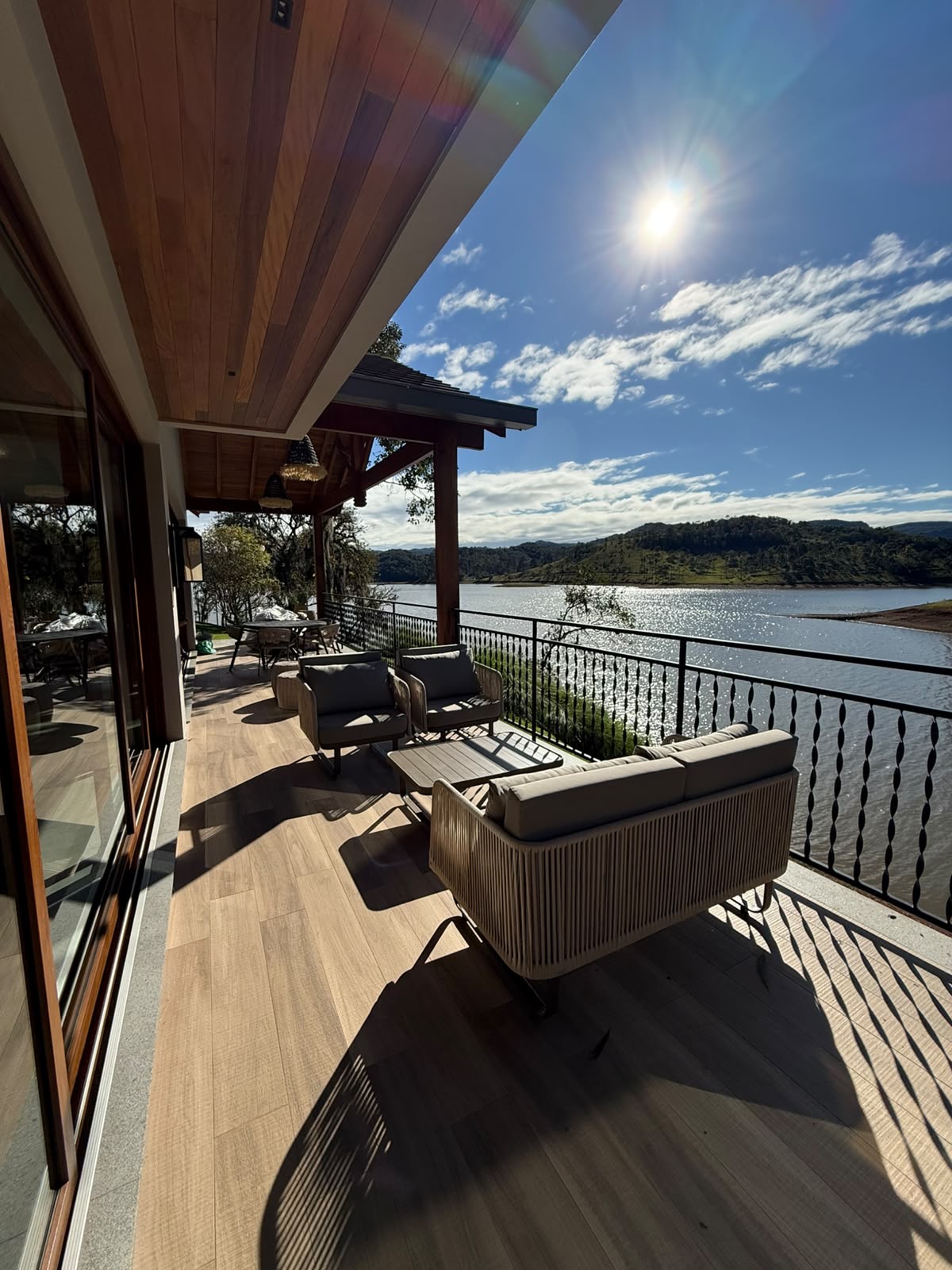
What are the levels of tissue in Mavie?
We work with three tracks, for different projects and budgets:
- Entrance — Brisas Collection: Imported fabric, waterproof, with protection against moisture, mold and UV rays, anti-pilling and OEKO-TEX® Standard 100 certification.
- Intermediary: A durable national line, with a repellent and anti-fungal finish.
- Premium — Solution Dyed: colored fiber with very superior UV resistance and pet-friendly option.
How to clean and preserve fabrics?
It's simple: wet cloth with neutral soap, acting quickly on stains, and collecting the cushions on rainy days. See Complete guide to cleaning and maintenance.
Conclusion
The right fabric is the one that keeps the outer area beautiful and comfortable for years — waterproof, with UV protection and a pleasant touch. When in doubt between the options, always choose the one that combines durability and comfort. Need help choosing colors and fabrics? Contact us on WhatsApp.
Frequently asked questions about outdoor fabric
Does outdoor fabric fade in the sun?
The good ones don't. Fabrics with UV protection and, especially, the Solution Dyed (colored fiber) maintain the color for much longer.
What is the difference between waterproof fabric and Solution Dyed fabric?
Waterproof repels water; Solution Dyed has the color inside the fiber, resisting the sun better. The ideal combination combines both characteristics.
Is the outer fabric uncomfortable to the touch?
No. Quality outdoor fabrics are soft, breathable, and anti-pilling — more comfortable than linings like nautical leather, which gets hot in the sun.
How to clean outdoor area cushions?
Wet cloth with neutral soap, acting quickly on stains. Collect the cushions on rainy days and store them dry.